Legionella: Legislative Overview and Chemical & Engineering Treatments
Water safety is not just a matter of quality—it is also a matter of public health. Among the most well-known and feared risks in water systems is Legionella, a ubiquitous bacterium that can proliferate under certain conditions in hot water distribution networks, cooling towers, and HVAC systems.
In recent years, contamination incidents in healthcare facilities, hotels, and industrial plants have highlighted the need for an integrated approach: analysis, prevention, and treatment. Termoacqua has been supporting public authorities, industries, and healthcare facilities for years in managing microbiological risk, offering solutions that combine chemistry, engineering, and automation.
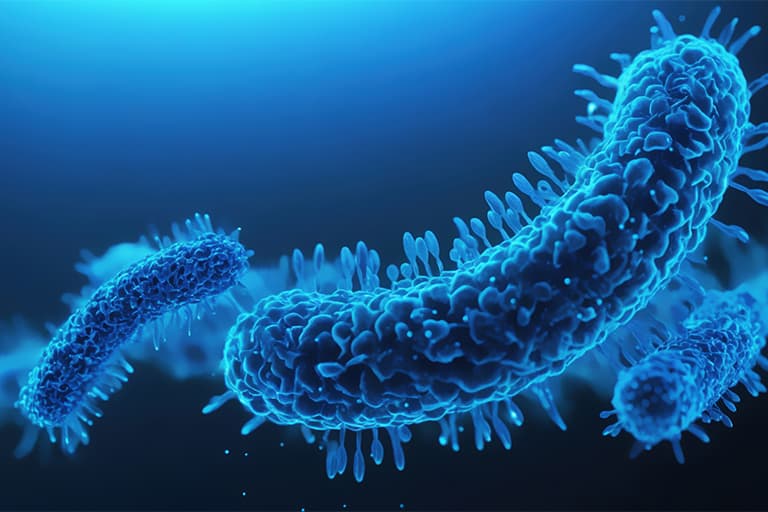
The Legionella genus includes over 50 bacterial species, with Legionella pneumophila being the most dangerous for humans. This microorganism thrives in water environments between 20 and 50 °C, especially where there is stagnation, biofilm formation, scaling, or corroded materials.
Transmission occurs not through ingestion, but via inhalation of contaminated aerosols (vapors, sprays). Common sources include:
- Hot water distribution systems;
- Cooling towers and industrial scrubbers;
- Humidifiers, tanks, showers, and whirlpools;
- Thermal storage tanks.
Prevention is not limited to remediation after detection—it requires continuous system and biological risk management.
Italy has one of the most complete regulatory frameworks for Legionella risk. Key references include:
- Guidelines for the Prevention and Control of Legionellosis (Italian Ministry of Health, May 7, 2015): define responsibilities, analysis methodologies, and disinfection protocols;
- Legislative Decree 81/08 – Occupational Health & Safety: obliges employers to assess biological risks, including Legionella;
- State-Regions Agreement, May 7, 2015, and subsequent updates: sets obligations for managers of hotels, healthcare, and sports facilities;
- UNI EN 806 and UNI EN 100030:2017: technical standards for design, operation, and maintenance of water systems;
- EU Directive 2020/2184 on water for human consumption: introduces monitoring obligations for emerging pathogens, including Legionella.
All water system operators—public or private—must prepare a Legionella risk assessment and management plan, periodically updated and supported by certified microbiological analyses.
Water treatment for Legionella prevention relies on continuous or shock disinfection strategies, depending on the system condition and risk level. Termoacqua uses only PT5-certified biocides in compliance with EU Biocidal Regulation 528/2012.
Shock Disinfection
Performed during confirmed contamination or as periodic deep sanitation, it involves:
- Thermal or chemical flushing with concentrated solutions (chlorine, peroxide, chlorine dioxide, peracetic acid);
- Maintaining disinfectant for a minimum contact time;
- Subsequent rinsing and microbiological sampling.
Continuous Disinfection
In permanent systems, the goal is to maintain a constant disinfectant residual throughout the circuit. Depending on system characteristics, this can include:
- Certified PT5 peroxide dosing systems for hot or cold water;
- Sodium hypochlorite PT5 systems with automatic concentration control;
- In-situ production of hypochlorous acid (Anolyte), a green solution with high microbiological effectiveness.
These systems prevent bacterial proliferation consistently, reducing biofilm formation and network wear.
Beyond chemical treatments, Termoacqua designs and provides integrated engineering solutions to prevent, contain, and manage Legionella without interrupting water supply:
- Terminal absolute filters: prevent bacterial spread during remediation, avoiding water shutdown in sensitive facilities (hospitals, nursing homes, hotels);
- Scheduled shock disinfections for sanitary circuits with guaranteed safety protocols;
- Disinfection systems for cooling towers and industrial scrubbers, calibrated to flow and temperature parameters;
- Automated continuous disinfection plants with digital concentration control and data traceability;
- Periodic sampling and microbiological monitoring plans, managed by certified laboratories.
Each system is designed to adapt to the existing water network, ensuring compliance with guidelines and maximum service continuity.
Technology is only effective if accompanied by proper management and risk awareness.
Termoacqua offers training programs for managers and maintenance technicians, covering:
- Current regulations;
- Most effective disinfection techniques;
- Correct interpretation of microbiological results;
- Planning preventive interventions.
A culture of prevention is the first tool to reduce contamination events and ensure end-user safety.
Combating Legionella is not an extraordinary measure—it is a daily practice of technical and health responsibility. Termoacqua provides experience, tools, and certified technologies to ensure water safety in every context, from healthcare facilities to industrial environments.
With an integrated approach combining chemistry, engineering, and training, the Group supports public and private clients in building safe, compliant, and sustainable water systems, fully aligned with the latest European regulations.