Legionella prevention and sanitization
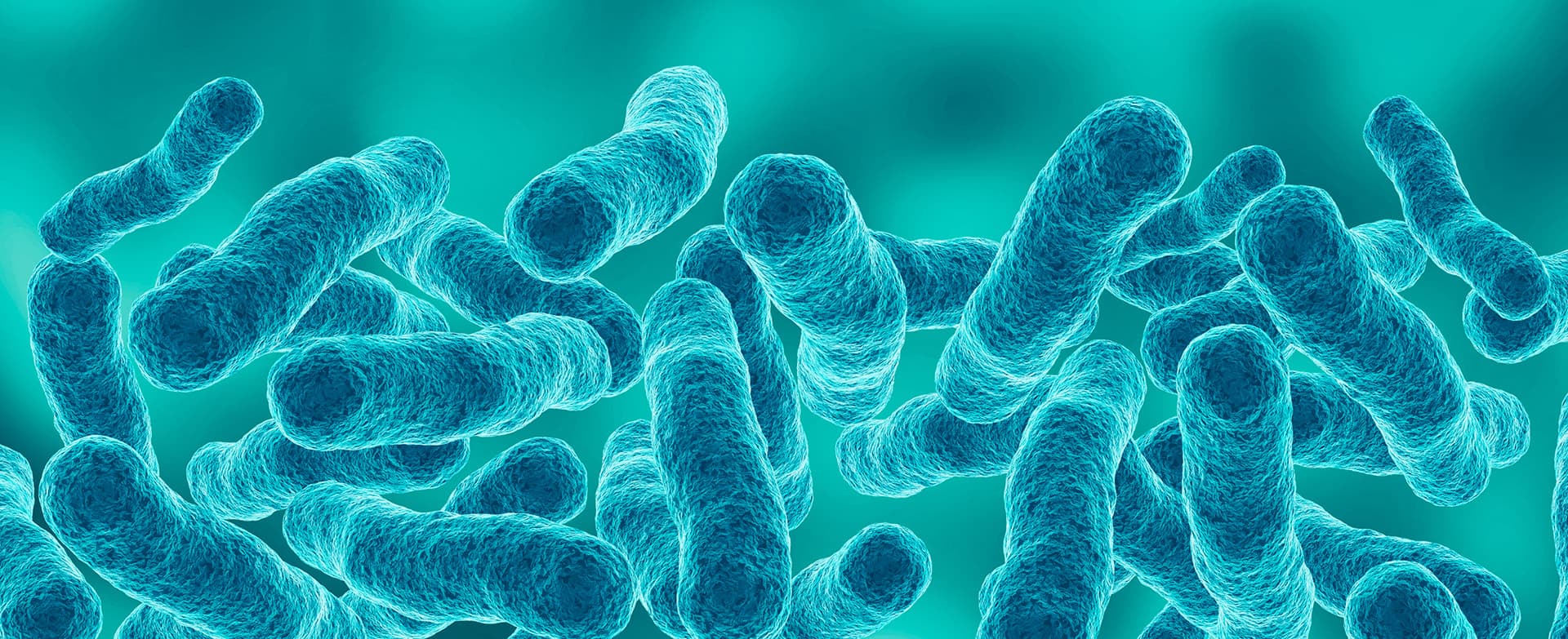
Legionella bacteria are naturally present in both natural and artificial aquatic environments: groundwater, spring water—including thermal sources—rivers, lakes, sludge, and more.
From these sources, through distribution networks, the bacteria can colonize hydro sanitary and air-handling systems and be transmitted to humans in the form of aerosol.
If, following a water quality monitoring campaign (as required by the new Legislative Decree of 18 February 2023), the presence of Legionella pneumophila is detected at levels exceeding 1,000 CFU and/or the limits established by the facility’s Legionella Risk Assessment Document (DVRL), long-term prevention measures must be implemented, including chemical remediation.
The type of intervention must be defined based on the characteristics of the system and the facility. The Termoacqua Group follows its own internal protocol, which complies with the national Guidelines for Legionellosis Prevention.
Thanks to its decades of experience and qualified personnel, the Termoacqua Group is able to provide support and workforce for the execution of the chemical treatment procedures indicated in current guidelines, such as:
Shock Hyperchlorination: introduction of sodium hypochlorite into sanitary water networks until reaching free chlorine residual concentrations of 20 and/or 50 mg/L, with contact times of 2/1 hours respectively, throughout all system branches and terminal points.
Continuous Hyperchlorination: constant chlorine dosing to maintain free chlorine concentrations between 1 and 3 mg/L, using proportional dosing systems with direct reading.
During both shock and continuous hyperchlorination operations, the use of sanitary water must be prohibited for the entire duration of the disinfection activities, as the disinfectant concentrations applied are not compatible with current drinking water standards and with the safety requirements established by the Legislative Decree of 18 February 2023.