Hypochlorous Acid-based Solutions
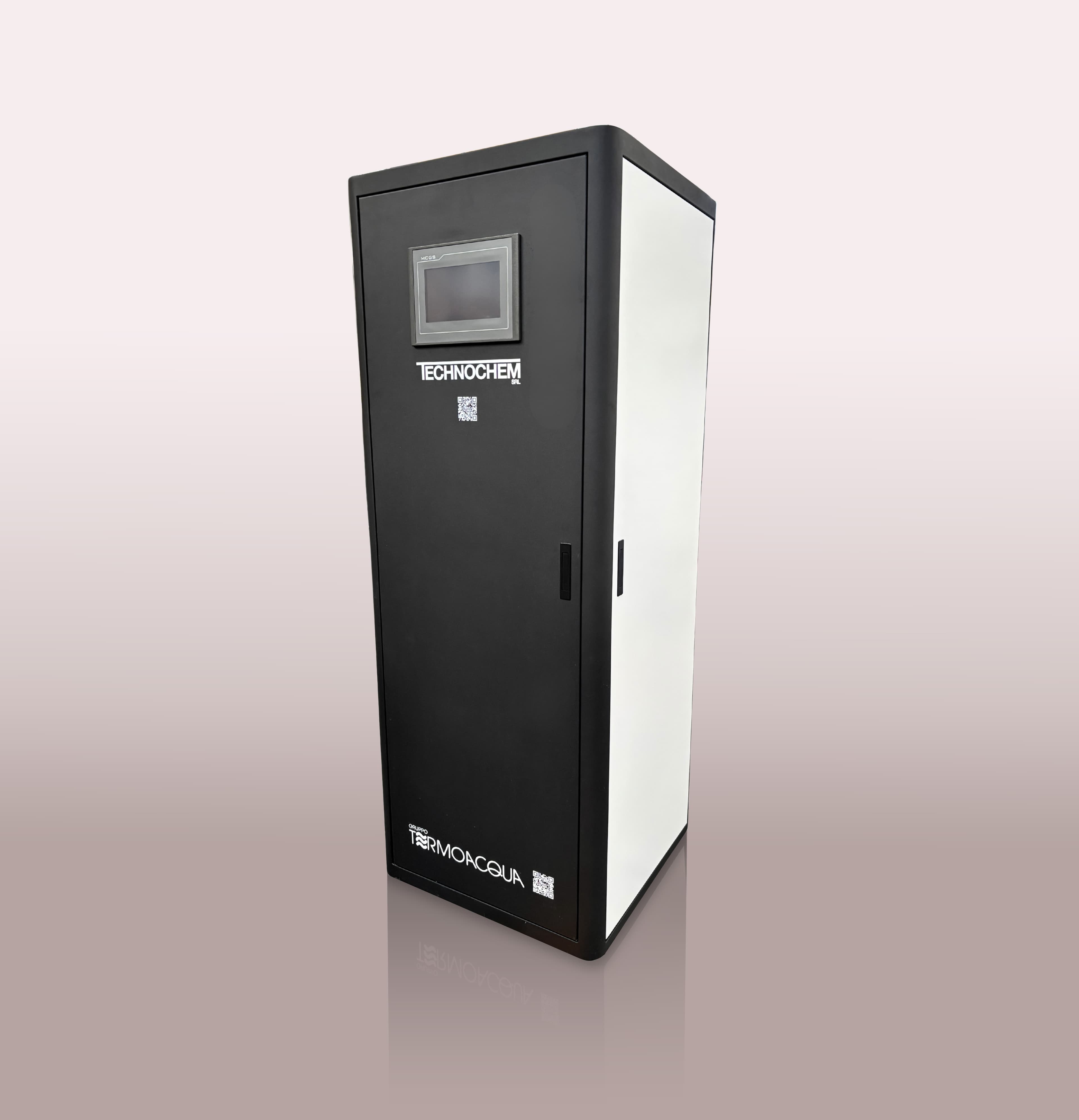
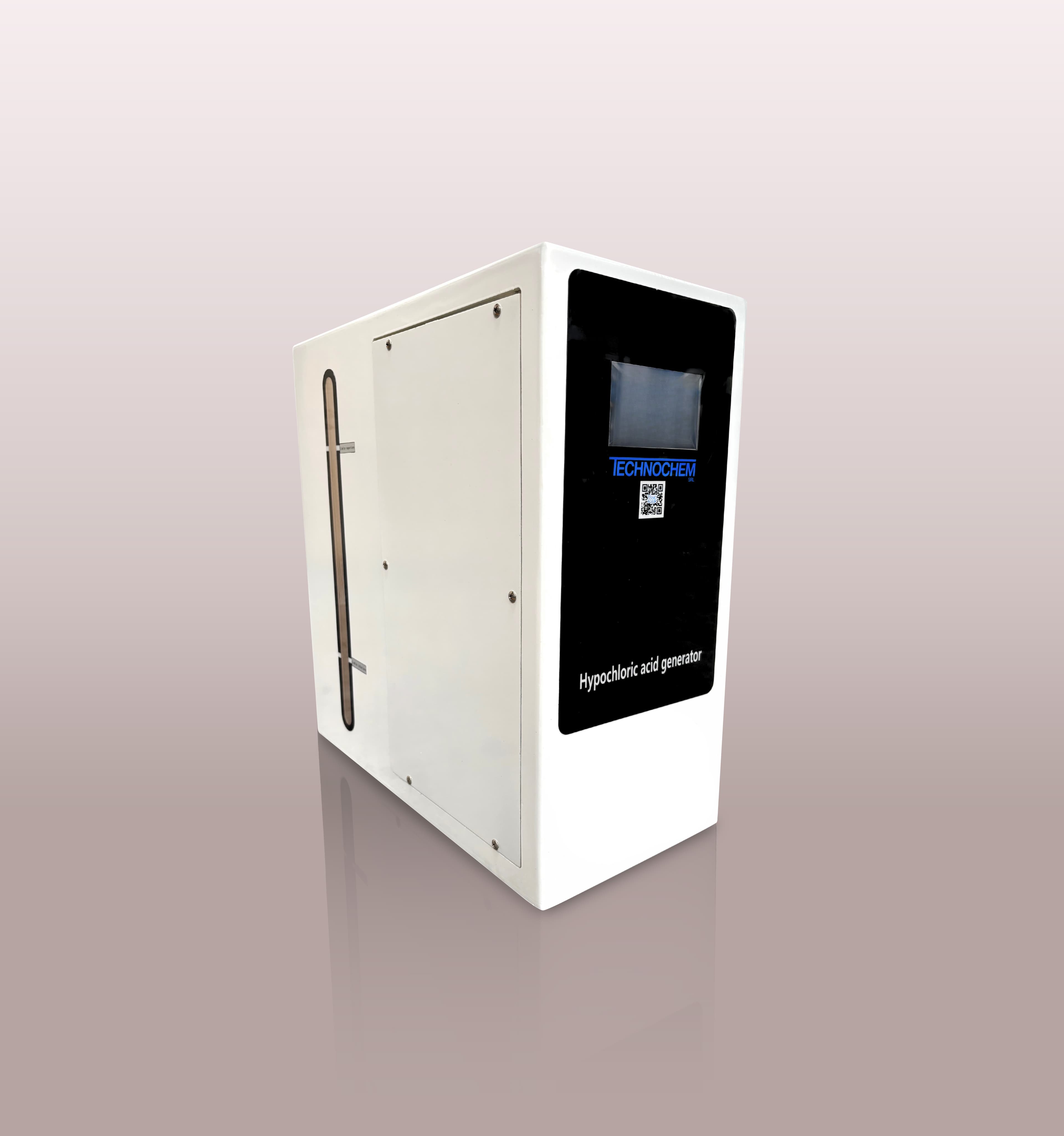
Our ERA-15 and TECNA-60 machines for the production of hypochlorous acid (HOCl) use an advanced electrolysis process to transform a simple mixture of water and salt (NaCl) into a hypochlorous acid solution.
During this process, the saline solution is subjected to an electric current that separates sodium chloride into its components: sodium ions (Na⁺) and chloride ions (Cl⁻). The latter are oxidized into gaseous chlorine (Cl₂), which immediately reacts with water, forming hypochlorous acid (HOCl).
Hypochlorous acid is known for its exceptional antimicrobial and disinfectant properties, and it is widely used in the healthcare and food sectors to effectively eliminate bacteria, viruses, and other pathogenic microorganisms.
Thanks to its effectiveness, safety of use, and low environmental impact, HOCl technology is revolutionizing numerous application fields, from surface disinfection to air sanitization, as well as water treatment and the prevention of Legionella.
A further advantage of HOCl is its chemical composition: it is a relatively unstable molecule that exists in equilibrium with its basic conjugate, hypochlorite (OCl⁻). At neutral or slightly acidic pH (between 4.5 and 7), the prevailing form is precisely hypochlorous acid, which is less aggressive toward metallic surfaces compared to other chlorine-based disinfectants, such as sodium hypochlorite, monochloramine, and chlorine dioxide, which in more alkaline environments generate more corrosive compounds.