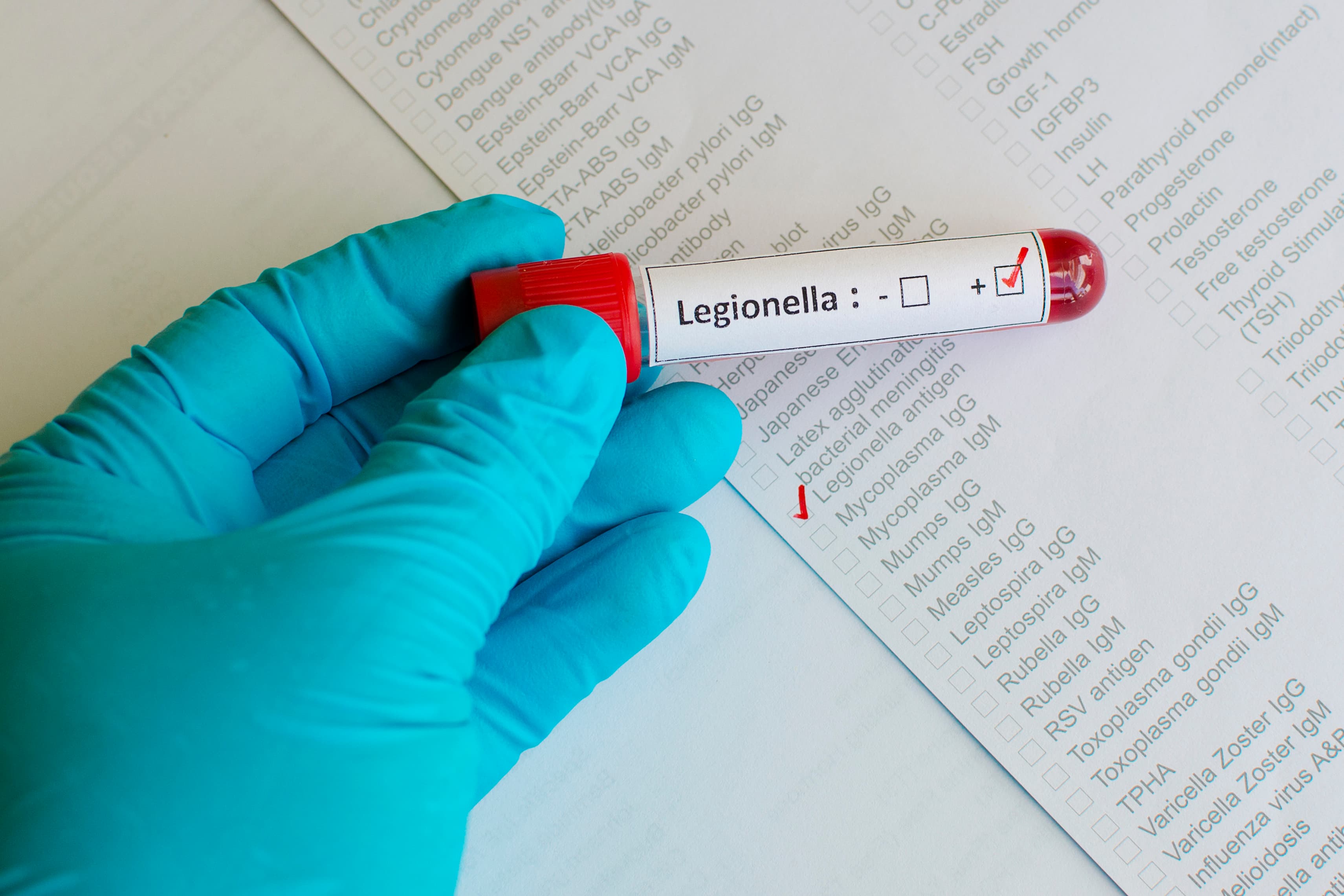
DVRL – Legionella Risk Assessment Document
The DVRL is the document that examines in detail all the factors that can increase the risk of proliferation and spread of Legionella, identifying the specific characteristics of the building and the water systems. It includes the assessment of the condition of the buildings, the critical issues, the control samples carried out at Accredia-certified laboratories, the preventive measures, and the planning of interventions.
After the assessment, risk management follows, to resolve the problems, along with risk communication, raising awareness among staff and managers through training.
Italy, in line with EU Directive 2020/2184, aims at the quality of drinking water.
The new Legislative Decree 18/2023 introduces the concept of the wholesomeness of water intended for human consumption, making the DVRL fundamental for the safe management of systems, in order to protect human health.
Legionella are bacteria present in natural and artificial aquatic environments (groundwater, springs, rivers, lakes, etc.).
Through distribution networks, they can colonize water and air-handling systems, with the risk of being inhaled in the form of aerosol.
In the event of analyses showing values of Legionella pneumophila above the limits indicated by Legislative Decree 18/23 or above the limits indicated in the building’s DVRL, it is necessary to implement immediate corrective actions, such as chemical remediation, and to implement preventive actions in order to minimize the risk.
Technochem provides support for the drafting of the DVRL and the execution of specific treatments such as shock and continuous hyperchlorination, with defined chlorine concentrations.